It’s a question we hear from sellers all the time: Do we really need to stage our home before we put it on the market? The answer is not always.Some homes need very little. Others can benefit enormously from a few thoughtful changes. And occasionally, bringing in furniture and professionally staging an empty property can completely change the way buyers experience it. The key is knowing the difference.
Staging Isn't About Making a Home Look Like a Show Home
When we talk about staging, we’re not necessarily talking about removing everything you own and replacing it with rented furniture. Often, we work with what is already there.It might mean moving a piece of furniture to improve the flow of a room, removing a few things, changing bedding, adding lamps, replacing dated cushions or bringing in a larger piece of artwork. Sometimes we simply need to edit. The goal isn't to erase the personality from a home. It's to make sure buyers notice the home itself.Buyers Need to Understand the Space
We spend a lot of time walking through homes with buyers, and one thing becomes very clear: not everyone can visualize what a room could be. An empty room can actually look smaller than a furnished one. An awkwardly placed sofa can make a perfectly good living room feel difficult to furnish. A bedroom being used as an office may cause someone to question whether a bed will actually fit.Good staging helps answer those questions before a buyer has to ask them. It establishes scale, creates a natural path through the home and helps buyers understand how the spaces connect.Sometimes It's About What You Take Away
One of the most effective things we can do before listing a home costs absolutely nothing. We remove things. Most of us accumulate more than we realize when we've lived somewhere for a long time. Furniture gets added, countertops slowly fill up and bookshelves become crowded. None of that is a problem when you're living in your home. But selling it is different. We want buyers looking at the size of the kitchen rather than what's on the counter. We want them noticing the fireplace rather than everything surrounding it. And we want them looking through the windows at the view instead of stopping at the furniture in front of them. Sometimes the best staging decision is simply creating a little more breathing room.And Sometimes We Go Shopping
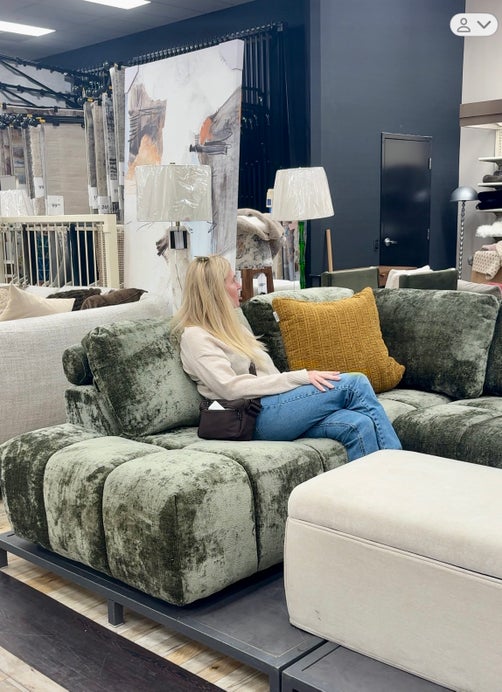
This is one of the parts of preparing a home that we genuinely enjoy. There are times when a room just needs something. A throw. New cushions. Fresh towels. Bedding. A plant. A lamp. A piece of art. Small additions can update a room without asking a seller to redecorate their home before they leave it. And yes, occasionally one of us gets distracted by the seasonal displays while we're supposed to be shopping for staging pieces. Around Halloween, this becomes particularly dangerous. But that's another story.What About an Empty Home?
Vacant properties are where staging can make one of the biggest differences. Empty rooms tend to photograph differently, and without furniture there is nothing to give buyers a sense of scale. This is particularly important in larger homes or properties with open-concept layouts. Furniture can define where the living area ends, where the dining area begins and how an otherwise enormous space could actually be lived in. But even here, we don't automatically recommend staging every room. Sometimes a few key spaces are enough, usually the living room, dining area, primary bedroom and perhaps an office or secondary bedroom. It depends entirely on the property.Not Every Home Should Look the Same
This is probably the most important part. A contemporary home overlooking the water shouldn't necessarily be staged the same way as a traditional family home in a leafy neighbourhood. A condo in Lower Lonsdale is different again. The staging should make sense for the architecture, the location and the buyer who is most likely to be interested in the property. We also don't believe every house needs to be stripped of character. Interesting architecture, books, art and beautiful pieces collected over time can be part of what makes a home memorable. The goal is not to make every listing look identical.Photography Changes the Equation
Today, most buyers see your home for the first time on a screen. That means we're not only thinking about how a room feels when someone walks through the front door. We're also thinking about how it will look through the camera. Something that barely registers when you're standing in a room can become surprisingly distracting in a photograph. Before photography, we look at sightlines, furniture placement, surfaces, windows and the small details that can either draw your eye into a photograph or pull it away. Those first images matter because they're often what determines whether someone decides to see the property in person.So, Do You Need to Stage?
Maybe. But you shouldn't stage simply because you're selling. You should stage when it helps buyers better understand the home, improves how the property photographs, highlights its strongest features or solves something that might otherwise distract from it. Sometimes that means professional staging. Sometimes it means an afternoon of moving furniture around. Sometimes it's a car full of cushions, lamps and accessories. And sometimes we walk into a house and say: Don't change a thing. Knowing which approach a home needs is the important part.Ann & Leslie Real Estate Group
Oakwyn Realty
West Vancouver · North Vancouver · Vancouver
Oakwyn Realty
West Vancouver · North Vancouver · Vancouver